Audi Engine Diagnostics, Repair & Overhaul
Looking for reliable Audi engine repair in Dubai? German Auto Lab.ae provides professional Audi engine inspection, diagnostics, repair, and maintenance services.
Whether your Audi has an oil leak, overheating problem, unusual engine noise, or loss of power, our team can inspect the vehicle, identify the cause, and recommend a suitable repair.
We focus on accurate diagnostics, quality workmanship, and clear recommendations to help keep your Audi engine performing properly.
Audi Engine Repair for All Models
Signs Your Audi May Need Engine Repair
- Check engine warning light
- Unusual knocking, rattling, or ticking sounds
- Engine overheating
- Oil or coolant leaks
- Excessive exhaust smoke
- Loss of engine power
- Increased fuel consumption
- Difficulty starting the engine
- Rough idling or engine vibration
- Poor acceleration
- Engine misfires or sudden loss of performance
Common Audi Engine Issues
1. Engine Oil Leaks
Oil leaks can develop around the valve cover gasket, oil filter housing, oil pan gasket, and other engine seals. These components can become worn or damaged over time. Common signs include: Oil spots under the vehicle, burning oil smell, low engine oil level, and smoke from the engine area.
2. Timing Chain Problems
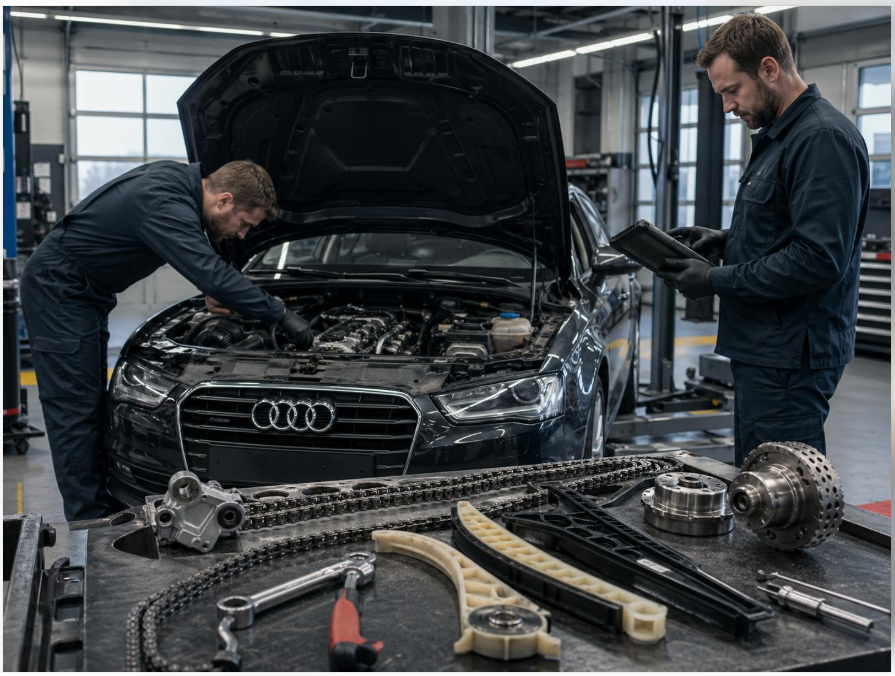
Certain Audi TFSI engines can experience timing chain, tensioner, or guide wear. These problems can affect engine timing and cause serious internal damage if not addressed. Common signs include: Rattling noise during cold starts, unusual engine noises, poor engine performance, and engine timing faults. Early inspection is important because severe timing chain damage can lead to engine failure.
3. Cooling System Problems
Audi cooling systems may develop problems involving the water pump, thermostat, radiator, coolant hoses, or expansion tank. Common signs include: Engine overheating, coolant warning messages, coolant leaks, temperature fluctuations, and low coolant levels.
4. Turbocharger and Boost Pressure Problems
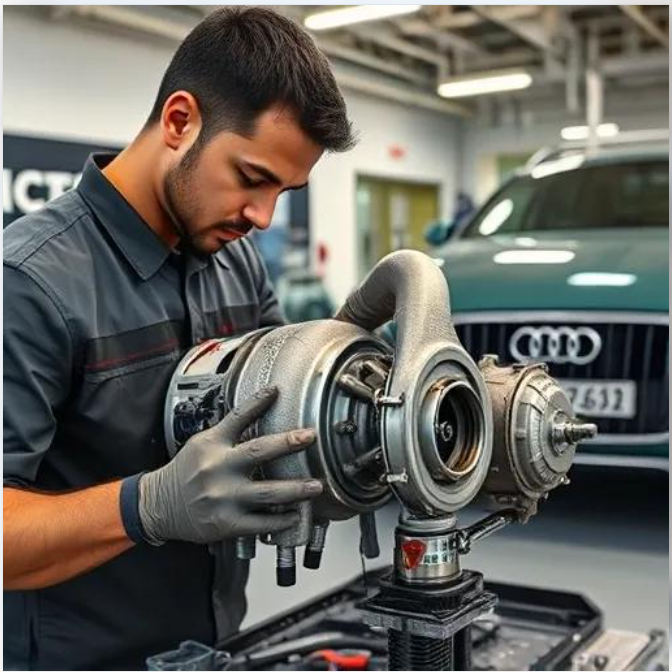
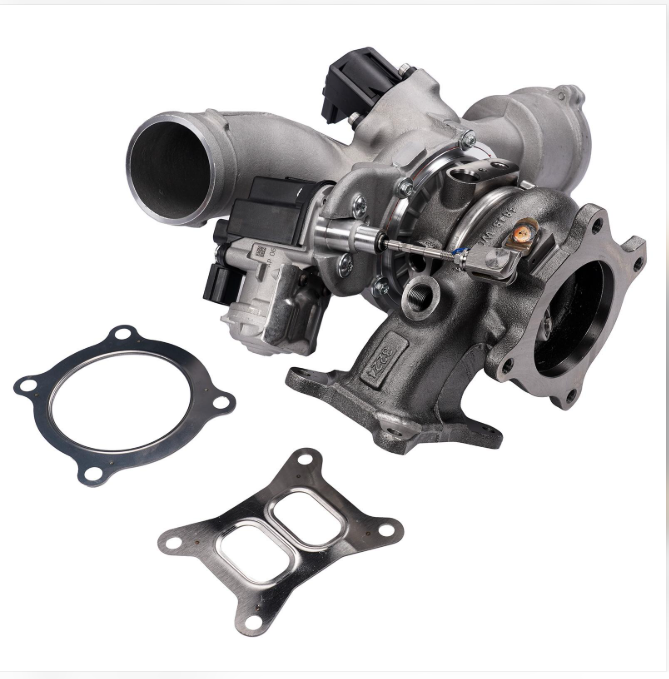
Some turbocharged Audi engines may develop problems with the turbocharger, wastegate, boost pipes, or related sensors. Common signs include: Loss of engine power, slow acceleration, whistling or unusual turbo noises, excessive exhaust smoke, and check engine warning light.
5. Excessive Engine Oil Consumption
Certain Audi TFSI engine generations may experience excessive oil consumption due to piston ring wear, valve seals, or crankcase ventilation problems. Common signs include: Frequent engine oil top-ups, blue smoke from the exhaust, low engine oil warning, and burning oil smell.
6. Carbon Build-up
Direct-injection Audi engines can develop carbon deposits on intake valves. This can restrict airflow and affect engine performance. Common signs include: Rough idling, engine misfires, reduced engine power, poor acceleration, and increased fuel consumption.
7. Fuel Injection and Ignition System Problems
Faulty fuel injectors, spark plugs, ignition coils, or fuel pressure components can affect engine operation. Common signs include: Difficulty starting, engine misfires, rough idling, reduced acceleration, and poor fuel efficiency.
Common Audi Engine Fault Codes and Their Meanings
Audi vehicles use an advanced engine management system to monitor engine performance and detect problems. When the system identifies an issue, it stores a diagnostic trouble code (DTC). These codes help technicians identify the affected engine system and determine which components require further inspection.
| Fault Code | General Description |
|---|---|
| P0171 | Fuel mixture is too lean – Bank 1 |
| P0174 | Fuel mixture is too lean – Bank 2 |
| P0300 | Random or multiple engine cylinder misfires |
| P0301–P0308 | Engine misfire detected in a specific cylinder |
| P0011 | Intake camshaft timing is too advanced or not performing correctly |
| P0012 | Intake camshaft timing is too retarded |
| P0014 | Exhaust camshaft timing is too advanced or not performing correctly |
| P0016 | Crankshaft and camshaft timing correlation problem – Bank 1 |
| P0017 | Crankshaft and camshaft timing correlation problem – Bank 1, exhaust camshaft |
| P0128 | Engine is not reaching its normal operating temperature |
| P0299 | Turbocharger boost pressure is lower than expected |
| P0234 | Turbocharger boost pressure is higher than expected |
| P0087 | Fuel rail or system pressure is too low |
| P2015 | Intake manifold runner position sensor range or performance problem |
| P2181 | Cooling system performance problem |
| P2279 | Intake air system leak detected |
| P0420 | Catalytic converter efficiency is below the expected level |
These codes are commonly encountered in Audi and other Volkswagen Group vehicles. Their availability and interpretation depend on the engine and vehicle configuration.
Additional Audi Manufacturer-Specific Diagnostic Codes
Audi vehicles also use manufacturer-enhanced diagnostic information to identify problems involving engine timing, fuel injection, ignition, and electronic control systems. Some Audi diagnostic systems display additional VAG-specific identifiers alongside standard P-codes. Examples of corresponding diagnostic references include:
| Fault Code | Description in Simple English |
|---|---|
| 16394 | Intake camshaft actuator circuit/open – P0010 |
| 16395 | Intake camshaft timing performance problem – P0011 |
| 16400 | Crankshaft and camshaft position correlation problem – P0016 |
| 16401 | Crankshaft and exhaust camshaft position correlation problem – P0017 |
| 16684 | Random or multiple-cylinder misfire – P0300 |
These identifiers are not universal across all Audi models and diagnostic tools. The exact description should be confirmed using the vehicle's engine control module and manufacturer-specific diagnostic software.
Audi Engine Control Module (ECM/ECU) Diagnostics, Repair & Programming
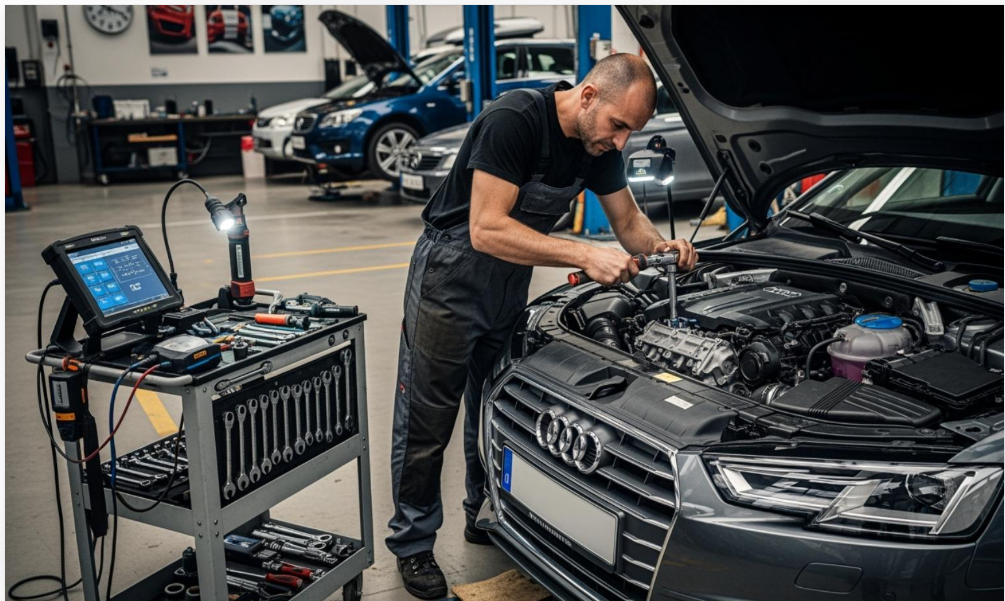
The Engine Control Module (ECM), also known as the Engine Control Unit (ECU), is the computer responsible for managing and monitoring important engine functions. In Audi vehicles, the engine control module manages fuel injection, ignition timing, sensor readings, engine temperature, turbocharger operation, and overall engine performance. When the ECM develops an electronic, internal memory, coding, or communication problem, it may affect the vehicle's engine operation.
Signs of a Faulty Audi Engine Control Module
- Engine not starting
- Difficulty starting the vehicle
- Sudden engine shutdown
- Loss of engine power
- Unusual engine performance
- Engine warning light appearing
- Communication problems with diagnostic equipment
- Incorrect sensor readings or engine control signals
- Repeated electronic fault codes
- Fuel injection or ignition system problems
Audi Engine Control Module Repair and Programming Services
German Auto Lab.ae can help diagnose Audi engine control module problems through electronic diagnostics and system testing. Depending on the fault, the required service may include: Audi ECM/ECU diagnostics, engine control module fault detection, ECU software inspection and programming, module communication testing, CAN bus communication inspection, wiring and electrical connection inspection, engine relay and power supply testing, ECU repair assessment, and engine control module replacement and programming, where required. Note: Not every engine fault code means the control module is damaged. Wiring problems, low battery voltage, faulty sensors, communication interruptions, and software issues can also trigger these codes. Proper testing is necessary before recommending module repair or replacement.
Common Audi ECM/ECU Fault Codes
| Fault Code | Description in Simple English |
|---|---|
| P0601 | Internal control module memory checksum error |
| P0602 | Engine control module programming error |
| P0604 | Internal control module RAM memory error |
| P0605 | Internal control module ROM memory error |
| P0606 | Engine control module processor fault |
| P0607 | Engine control module performance problem |
| P060A | Internal control module monitoring or processor fault |
| P060C | Internal control module main processor performance problem |
| P062F | Internal control module EEPROM memory error |
| U0100 | Lost communication with the engine control module |
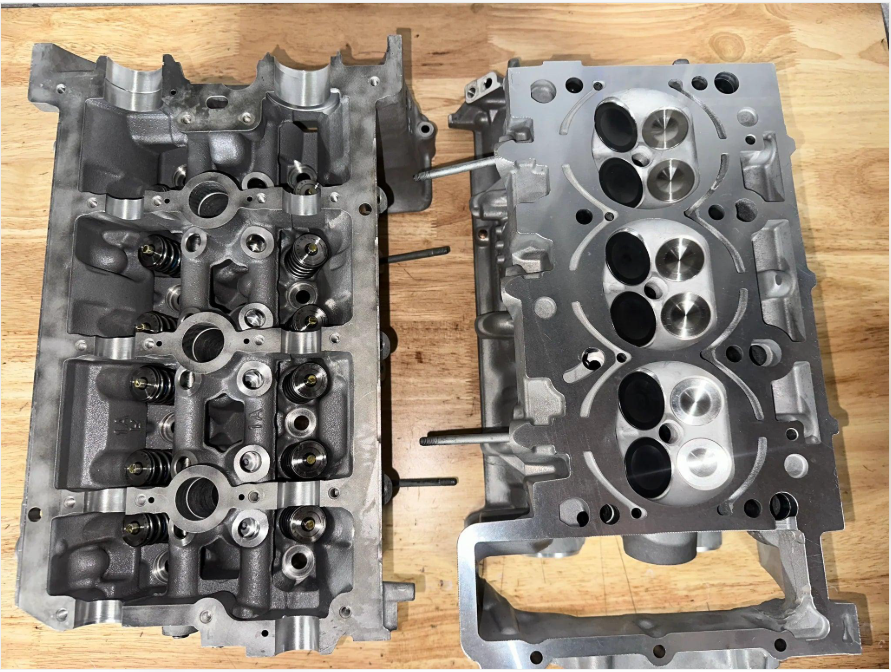
Our Audi Engine Repair Services
Why Choose German Auto Lab.ae for Audi Engine Repair?
Professional Audi engine inspection and diagnostics, experienced automotive technicians, repair solutions based on the actual problem, service for different Audi models and engine types, suitable replacement parts for the required repair, clear explanations and repair recommendations, and customer approval before additional work. Our goal is to help you understand your Audi's engine condition and make informed decisions about its repair and maintenance.
Frequently Asked Questions
1. How much does Audi engine repair cost in Dubai?
The cost depends on the Audi model, engine type, nature of the problem, and replacement parts required. An inspection is necessary before providing an accurate repair estimate.
2. What are the most common Audi engine problems?
Common problems include oil leaks, excessive oil consumption, cooling system failures, timing chain wear in certain engines, turbocharger problems, carbon build-up, and fuel injection issues.
3. What are the common Audi engine fault codes?
Some commonly encountered codes include P0171 and P0174 for lean fuel mixture, P0300 for multiple cylinder misfires, P0016 for camshaft and crankshaft correlation, P0299 for turbocharger underboost, and P2181 for cooling system performance problems.
4. What are the symptoms of a faulty Audi engine control module?
Symptoms may include difficulty starting, sudden engine shutdown, loss of power, warning lights, communication problems, and repeated electronic fault codes. Proper diagnostics are needed to confirm whether the ECM requires repair or replacement.
5. How do I know if my Audi needs an engine overhaul?
Signs may include excessive exhaust smoke, unusual engine knocking, significant oil consumption, loss of power, and serious internal engine damage. A proper mechanical inspection is required to confirm whether an overhaul is necessary.
6. Is it better to repair or replace an Audi engine?
It depends on the extent of the damage and the overall repair cost. Some engine problems can be fixed by replacing individual components, while severe internal damage may require an engine replacement.
7. Do you provide engine repair for all Audi models?
We provide engine inspection and repair services for different Audi models, including A Series, Q Series, S models, RS models, TT, and R8. Service availability depends on the vehicle and the type of repair required.
8. Can I still drive my Audi if the check engine light is on?
It depends on the warning and how the vehicle is performing. If the engine is overheating, losing oil pressure, misfiring severely, or showing a serious warning, stop driving when safe and arrange an inspection.
9. Can an Audi engine control module be repaired?
Some Audi ECM/ECU problems can be repaired or reprogrammed, depending on the nature of the fault. However, certain internal electronic failures may require module replacement and programming.